
Energy Performance Certificate Cost: 2026 Price Guide
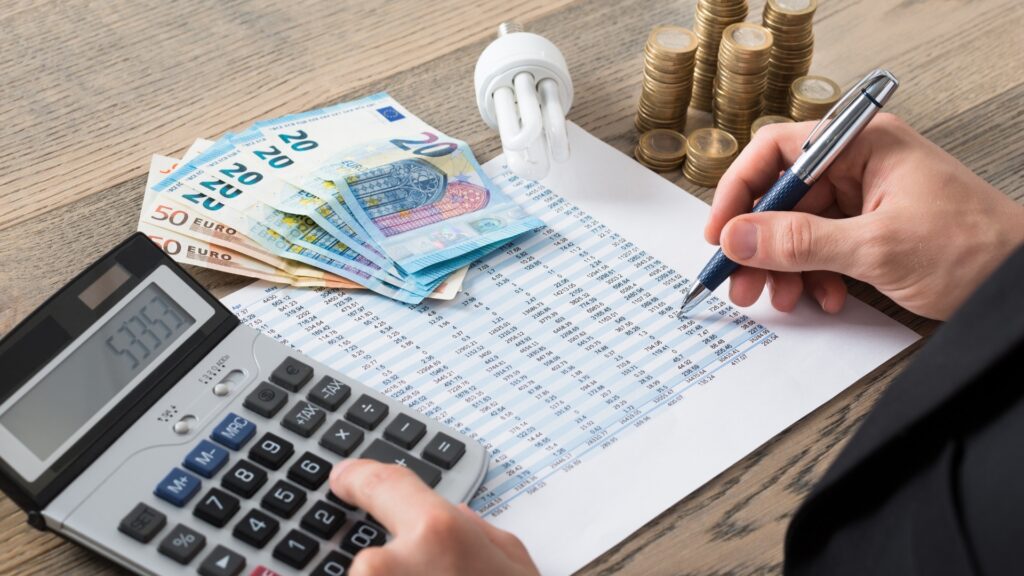
Energy Performance Certificate Cost, the financial guide in 2026
When preparing a property for the Spanish market, most owners view the energy audit as just another expense. However, in 2026, the narrative has shifted. With new extensions to government tax breaks and a more competitive real estate landscape, the energy performance certificate cost should be viewed as a strategic investment rather than a sunk cost. Understanding what you are paying for, and how you can actually get that money back through the Spanish tax system, is key to managing your property’s overhead effectively.
Breaking down the Energy Certificate Cost
In Spain, there is no “fixed” price regulated by the government for the technical work itself. The market is liberalized, meaning a technician in Marbella might charge differently than one in a small village in Alicante. Typically, the energy certificate cost for a standard apartment (up to 90 m2) can range between €60 and €150, be aware prices can vary based on several different factors!
Several factors influence this final quote:
– Property size: Larger villas require more time for the technician to measure the thermal envelope and inspect installations.
– Location: Technicians often factor in travel time, so remote properties may see a slightly higher fee.
– Urgency: If you need your certificate registered within 24 hours for a last-minute notary appointment, expect a “rush” premium.
In addition to the professional fee, you must account for the administrative registration taxes. These vary wildly by region. For instance, in Madrid or Andalusia, registration is currently free, while in the Valencian Community or Catalonia, you may pay a small additional fee to the regional government to finalize the document.
How to offset your EPC Certificate Cost
While the initial EPC certificate cost might be higher than expected, it actually is a gateway to significant savings. In 2026, the Spanish government has extended the IRPF (Income Tax) deductions for energy efficiency improvements.
To claim these, you must have an energy performance certificate issued before the work starts and another one after it is completed. By doing this, you can unlock:
– 20% Deduction: If you reduce heating/cooling demand by at least 7%.
– 40% Deduction: If you reduce non-renewable energy consumption by 30% or reach an A or B rating.
– 60% Deduction: For full building renovations that achieve similar efficiency milestones.
When you consider that these deductions can apply to costs up to €7,500 or even €15,000, the initial price of the certificate becomes negligible compared to the thousands of euros returned to your pocket.
Choose the right Energy Certificate Cost
It is tempting to look for the absolute lowest energy certificate cost price online, but be wary of “desk-only” audits. Spanish law strictly requires a physical site visit.
If a technician offers a suspiciously low price and claims they can do the work via photos alone, the energy performance certificate is most likely legally invalid. Notaries are increasingly eagle-eyed regarding this, and an invalid certificate could not only cost you a fine of up to €6,000 but could also stall your property sale at the most critical moment.
The Real Value of an Energy Performance Certificate
In the 2026 market, the energy performance certificate is a sales tool. A property with an “A” rating is estimated to have a market value up to 10% higher than an identical “G” rated home. Buyers are calculating their future electricity bills before they sign a mortgage, and a high-efficiency rating is a powerful closer.
Expert Tip: Keep your invoices! To claim tax deductions, the Spanish Tax Agency (AEAT) requires all payments to be made via traceable means (transfer or card). Cash payments for your certificate or renovations will most likely disqualify you from the IRPF rebates.
Investing in a quality audit today ensures you aren’t just compliant with the law, but that you are positioned to take full advantage of Spain’s green energy incentives.
Integrating Energy Upgrades for your Energy Certificate Cost
Beyond the direct tax rebates, your energy performance certificate is now a key factor in financing. In 2026, many Spanish banks have fully rolled out “Green Mortgages” (hipotecas verdes). If your property holds an A or B energy label, lenders often provide a reduction in the interest rate, typically between 0.1% and 0.2%. While this sounds small, over a 25-year mortgage on a typical Spanish villa, it can save the owner thousands of euros in interest. For sellers, having a high-rated certificate is a massive selling point, as it makes the home more affordable for potential buyers at the financing stage.
Regional Variations in Registration Fees
It is important to remember that the total energy certificate cost includes more than just the technician’s time; you must also account for regional administrative fees, known as tasas. While regions like Madrid, Andalusia, and the Canary Islands currently have a €0 registration fee, other areas are different. For example, in the Valencian Community or Catalonia, there is a small fee (usually between €10 and €25) to enter the certificate into the official registry. When you are calculating your budget, ensure your provider clarifies whether these regional taxes are included in their quote or if they will be added as a separate line item.
The “Hidden” Energy Certificate Cost of a G-Rating
Many owners ask if they should bother trying to improve their rating before selling. While the EPC certificate cost is low, the cost of not improving a G-rated home is rising. Recent 2026 market data indicates that properties with the lowest efficiency ratings are sitting on the market for an average of 40% longer than those with a D rating or higher. Buyers in 2026 are wary of “energy-hungry” homes and will often use a poor energy performance certificate as a lever to negotiate a much larger discount on the asking price—often far exceeding the cost of the actual energy-saving renovations.